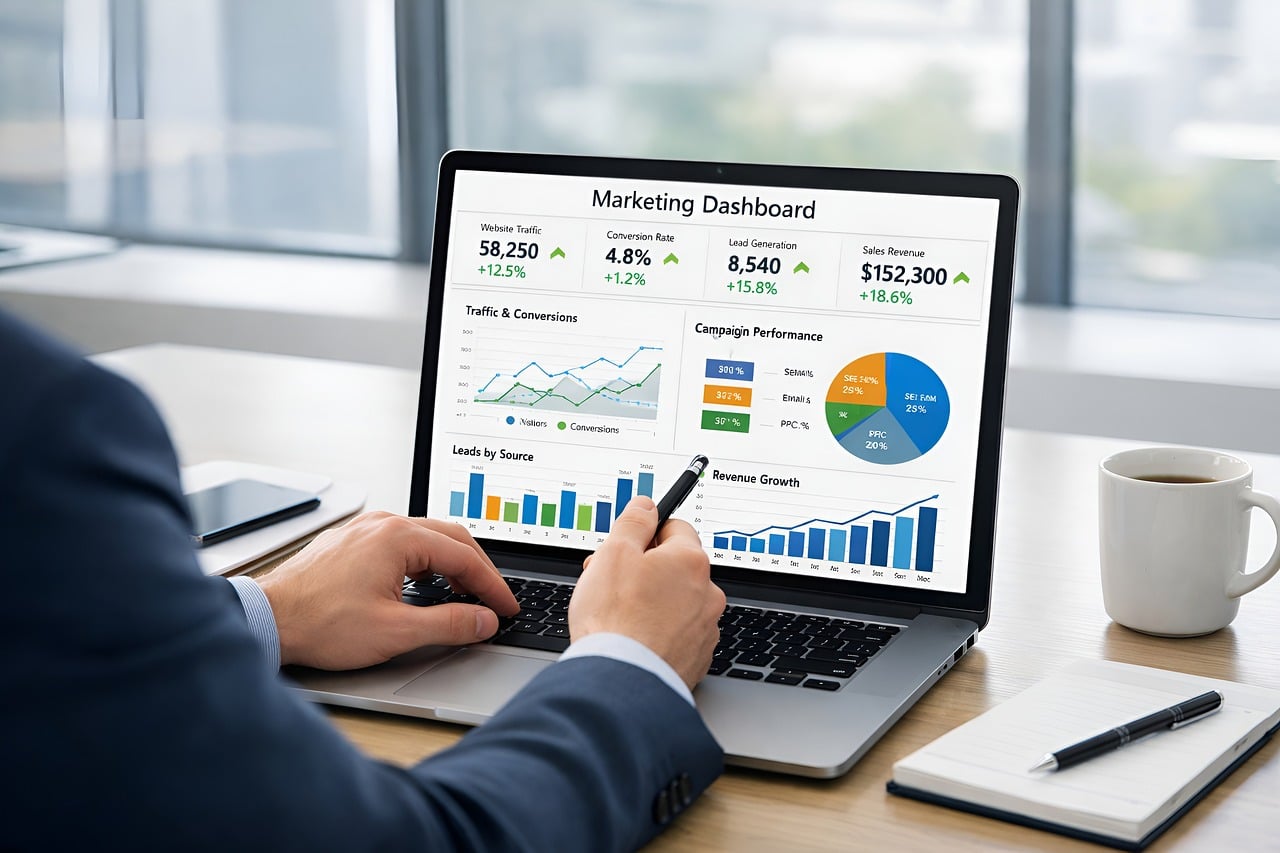

In today’s fast-paced digital landscape, marketing without measurement is like sailing without a compass – you’re moving, but you have no idea if you’re heading in the right direction or making progress towards your destination. To truly drive business growth, optimize your spend, and prove the value of your efforts, understanding how to track marketing results is not just beneficial, it’s absolutely essential. This comprehensive guide will walk you through the critical steps and strategies to effectively measure your marketing performance, ensuring every campaign contributes meaningfully to your overarching business objectives.
Why Tracking Marketing Results is Non-Negotiable
Ignoring the data generated by your marketing activities is akin to throwing money into a black hole. Effective tracking provides clarity, justifies investment, and empowers strategic decision-making. Without it, you’re operating on guesswork, which can be a costly mistake.
The Cost of Not Tracking Marketing Performance
When you don’t track marketing results, you face several significant drawbacks:
Wasted Budget: You can’t identify underperforming campaigns or channels, leading to continued investment in ineffective strategies.
Missed Opportunities: You fail to recognize what’s working well, preventing you from scaling successful initiatives.
Lack of Direction: Without clear data, your marketing strategy lacks a solid foundation, making it difficult to set realistic goals or adapt to market changes.
Inability to Prove ROI: It becomes impossible to demonstrate the tangible return on investment (ROI) of your marketing efforts to stakeholders.
The Benefits of Data-Driven Marketing
Conversely, a robust approach to measuring marketing performance unlocks immense value:
Improved ROI: By identifying and optimizing high-performing campaigns, you maximize your marketing spend efficiency.
Better Resource Allocation: